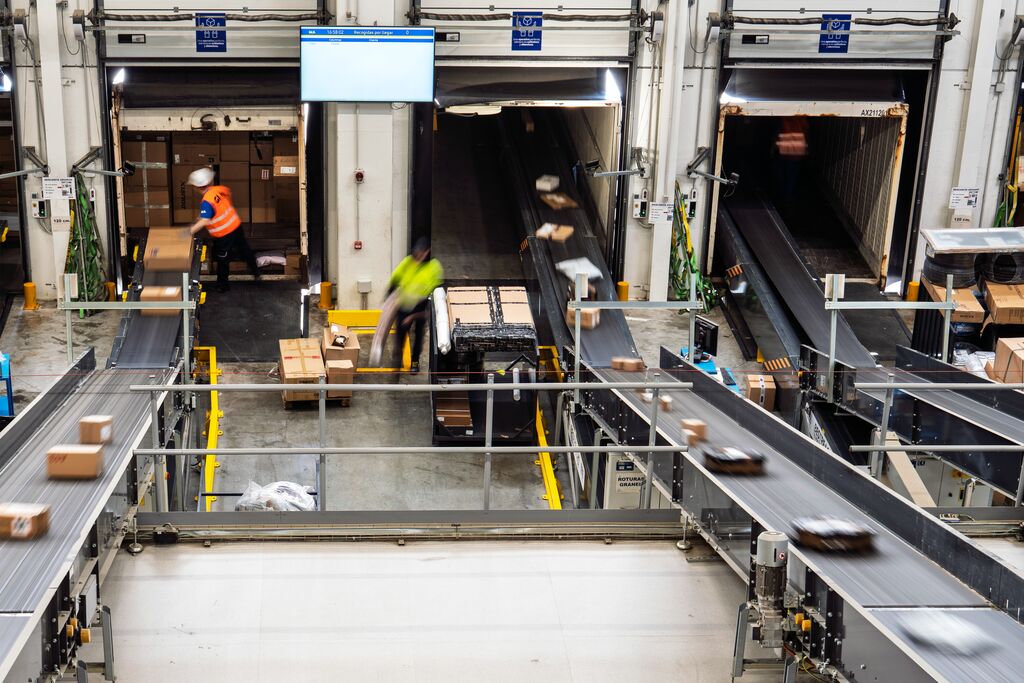
Black Friday, Christmas, seasonal sales or promotional campaigns can multiply order volumes within days. For ecommerce businesses, peak demand periods represent significant growth opportunities — but they also create operational pressure that can impact customer experience, profit margins and brand reputation.
Managing shipping during high-demand periods is not just about speed. It requires strategic planning, scalable logistics, advanced technology and specialized partners. Businesses that prepare properly can turn sales peaks into competitive advantage and long-term customer loyalty.
Below, we explain how to prepare your ecommerce logistics step by step to transform peak demand into sustainable growth.
Step 1: demand forecasting and strategic inventory planning
Peak shipping management starts with intelligent anticipation.
Analyze historical data, market trends and consumer behavior to:
- Forecast order volumes by time slot
- Identify best-selling SKUs
- Calculate packaging and materials requirements
- Plan staffing and warehouse resources
- Evaluate your logistics provider’s capacity
Use predictive analytics tools to estimate volumes and prevent stockouts or unnecessary additional costs.
Poor planning typically leads to picking bottlenecks, dispatch delays and last-mile congestion.
Step 2: optimize your fulfillment operations to scale seamlessly
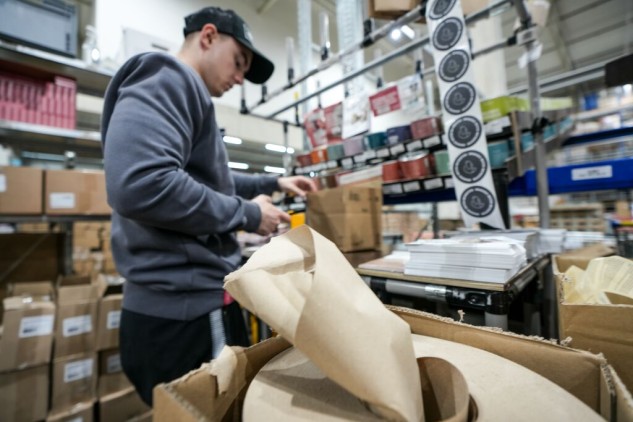
Efficient fulfillment is the foundation of scalable ecommerce logistics. During peak campaigns:
- Implement or upgrade your warehouse management system (WMS)
- Automate picking, packing and labeling processes
- Integrate your ecommerce platform with your logistics operator
- Monitor key KPIs: preparation time, error rate, delivery SLA compliance
- Reinforce warehouse teams temporarily if required
A specialized fulfillment partner enables you to absorb volume spikes without compromising service quality, ensuring full traceability and operational control.
Step 3: strengthen last-mile logistics and diversify delivery options
The last mile is the most critical phase during peak periods.
High-demand campaigns can cause:
- Route saturation
- Increased failed delivery attempts
- Operational overload and delays
To minimize risk:
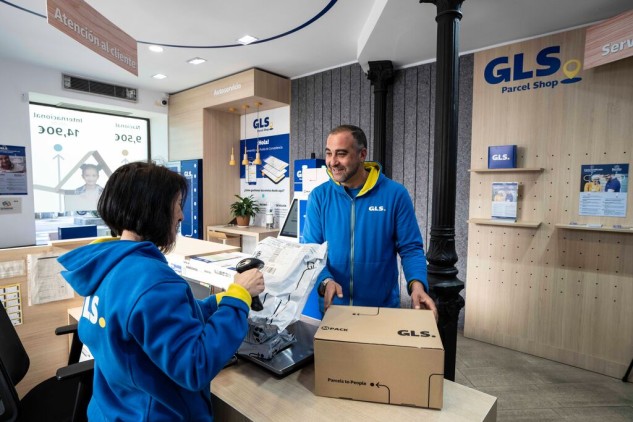
- Diversify delivery options (home delivery, parcel shops, lockers)
- Offer express shipping for priority customers
- Enable out-of-home (OOH) solutions to reduce failed deliveries
- Provide real-time tracking with automated notifications
OOH delivery models not only relieve pressure on home delivery networks but also improve first-attempt delivery rates and optimize operational costs.
Step 4: proactive communication and expectation management
During peak demand, transparency becomes a competitive differentiator.
A delay managed with clear communication generates far less friction than a broken promise.
Best practices include:
- Displaying realistic delivery times at checkout
- Informing customers of potential delays before purchase
- Sending real-time shipment status updates
- Offering alternatives when products are out of stock
Clear communication protects your reputation and strengthens customer trust — even in challenging periods.
Step 5: efficient reverse logistics and returns management
After the sales peak comes the returns peak.
In sectors such as fashion or electronics, return rates can increase significantly following promotional campaigns.
To protect margins and brand perception:
- Define a clear and visible return policy
- Automate return authorizations and label generation
- Enable returns via parcel shops or OOH networks
- Control refund processing times
Professional reverse logistics closes the customer experience loop and reinforces brand credibility.
Step 6: technology and real-time visibility as strategic advantages
Ecommerce scalability depends on real-time visibility across the supply chain.
- Monitor volumes and operational trends
- Adjust resources dynamically
- Optimize routing and delivery performance
- Integrate ecommerce platforms, warehouse systems and logistics operators
Technology is essential to remain competitive during high-demand campaigns and international shipping operations.
Step 7: partner with a specialized ecommerce logistics provider
Not all carriers are prepared to absorb massive volume increases.
A specialized ecommerce logistics partner should provide:
- Reinforced operational capacity during campaigns
- Strong national and international networks
- Flexible delivery solutions (home + OOH)
- Efficient reverse logistics management
- Advanced tracking technology
- Experience in cross-border shipping and fulfillment
A robust and scalable logistics network reduces saturation risks and protects customer experience during peak operational pressure.
Best practices to optimize your ecommerce shipping strategy
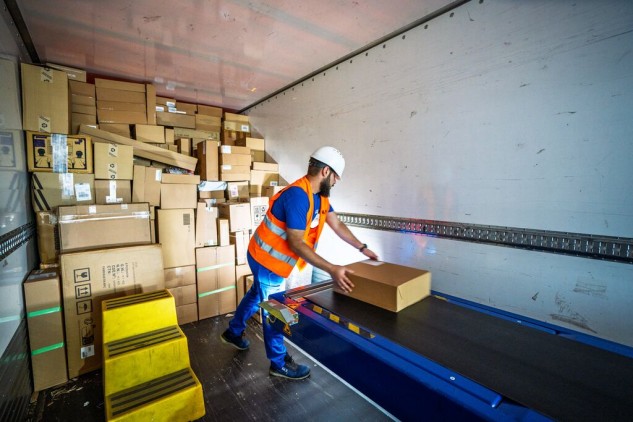
Optimizing your ecommerce logistics is essential to improve customer satisfaction. Stock shortages, incomplete orders or damaged products are critical failures for any online retailer.
To prepare your ecommerce operations effectively:
- Plan months in advance
- Automate key processes
- Diversify delivery methods
- Communicate transparently
- Strengthen reverse logistics
- Work with scalable logistics partners
Peak demand is not a problem if your logistics are prepared. It is a strategic opportunity to consolidate your brand, increase customer satisfaction and strengthen your competitive positioning.
A robust, flexible and scalable ecommerce logistics strategy is the true engine that transforms growth into profitability.